"Ekam Sat Vipra Bahudha Vadanti"The Truth is One; sages call It by various names.
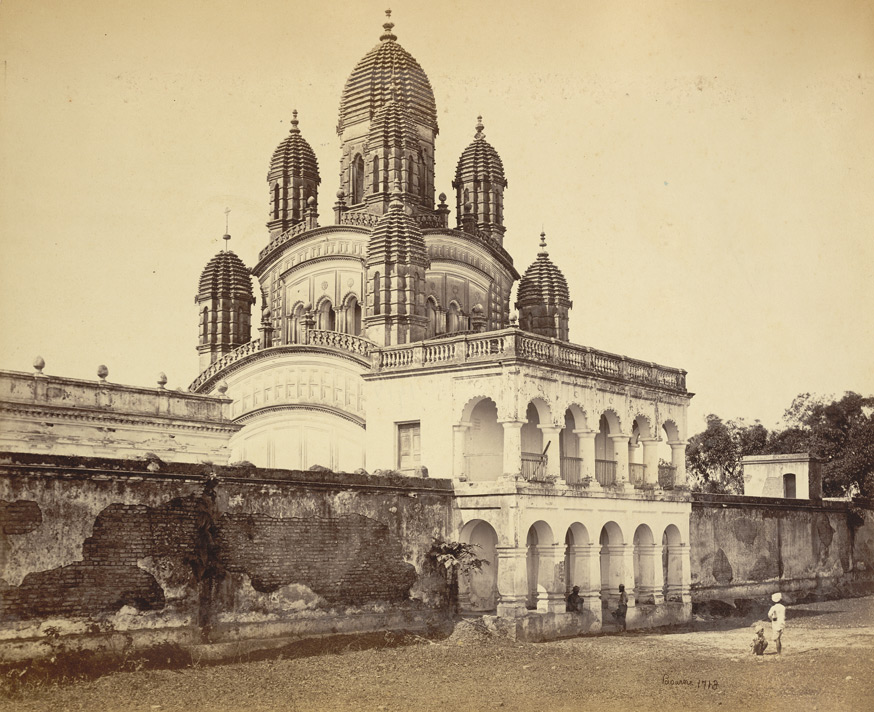
Sri Ramakrishna's life and his gospel are of primary interest not only to his devotees but to all spiritual enthusiasts, for his entire divine play has left a permanent impression on the modern socio-religious structure of Bengal and on the global glorification of Sanatan Dharma. The major episodes of that divine play were enacted by Sri Ramakrishna himself, along with his many spiritual companions, in the setting of Dakshineshwar - where he resided for about three decades, the longest stay of any Avatar at a single place.
The Holy Trio
At the heart of Dakshineshwar stand the Holy Trio, whose divine play unfolded on this very soil - Sri Ramakrishna, the Holy Mother Sri Sarada Devi, and Swami Vivekananda.
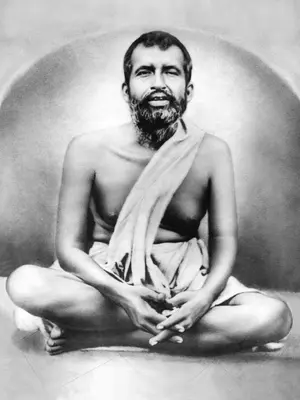 SR
SR
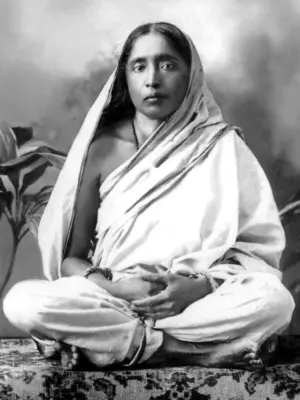 SD
SD
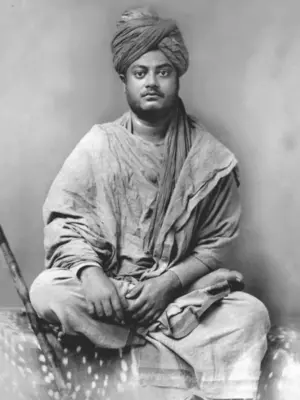 SV
SV
One Truth, Many Paths
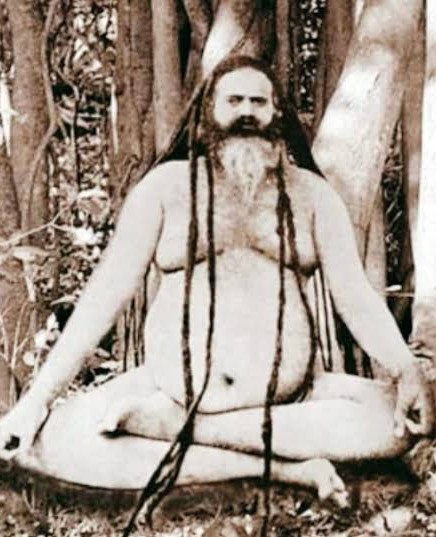
"Ekam Sat Vipra Bahudha Vadanti" had been theoretically postulated in the Vedas of Sanatan Dharma. But at Dakshineshwar this idea of realising the ultimate Truth was practically demonstrated and established by Sri Ramakrishna, who undertook the various forms of spiritual austerity prescribed by diverse schools of Sanatan Dharma and other religions - most of them practised while he stayed here. In the course of these disciplines he was guided by illumined souls - Bhairavi Brahmani (Yogeswari Bhairavi), who led him through the Tantric disciplines; Sri Jatadhari, the devotee of Ramlala; and Totapuri Maharaj, the wandering monk who initiated him into Advaita Vedanta. It was under Totapuri's guidance that Sri Ramakrishna attained nirvikalpa samadhi, the highest realisation of non-dual Vedanta.
Through his own spiritual experiences, Sri Ramakrishna demonstrated that the differences between paths existed only at the level of individual approach and practice. The ultimate goal of all sincere striving, however, is one and the same. Diverse paths can lead to the realisation of the same Divine Truth - as many faiths, so many paths.
A Meeting Place of Traditions
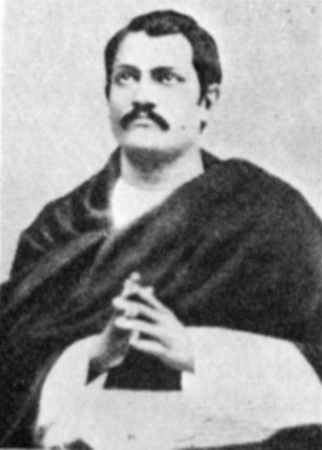
During his stay, many renowned spiritual seekers and scholars came into contact with Sri Ramakrishna - among them the pandits Gouri Pandit, Vaishnavcharan and Sashadhar Tarkachuramani, and the Brahmo Samaj leader Keshab Chandra Sen. Each followed a particular spiritual path and understood the highest goal according to his own tradition, so that their views often appeared to differ from, or even contradict, one another. Several not only interacted with the Master but pursued their own practices at Dakshineshwar - making it a remarkable meeting place of diverse spiritual traditions. Keshab Chandra Sen, in particular, did much to spread Sri Ramakrishna's name among the educated public of Bengal.
The Monastic Disciples of Sri Ramakrishna
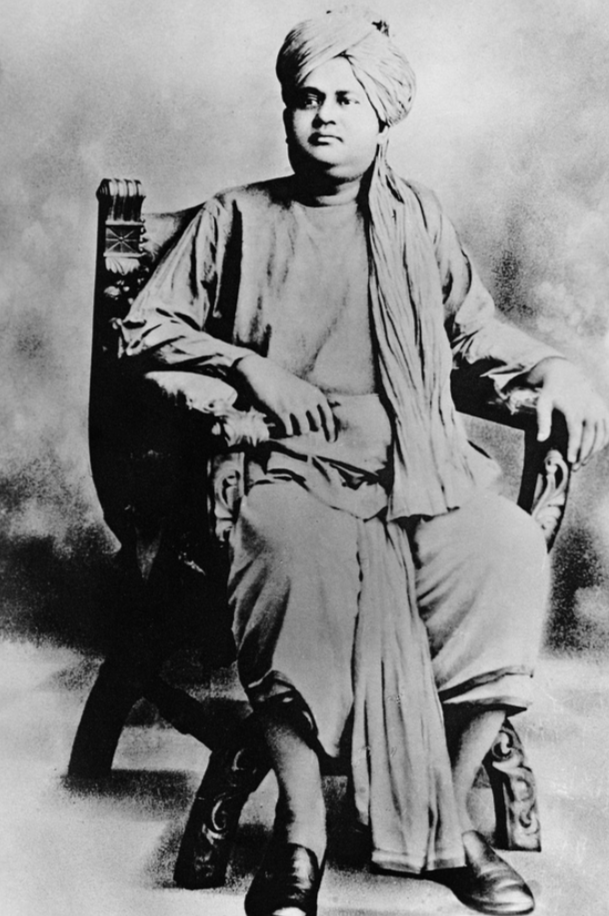
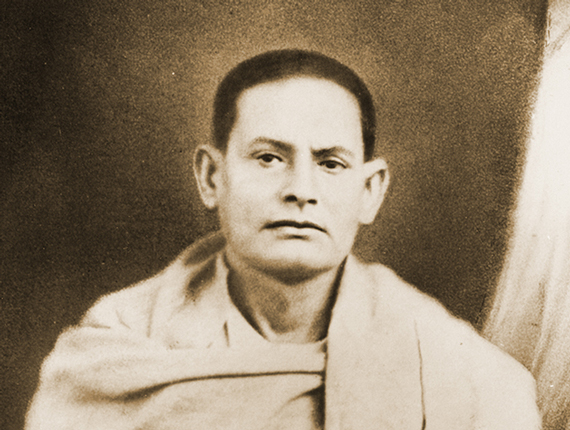
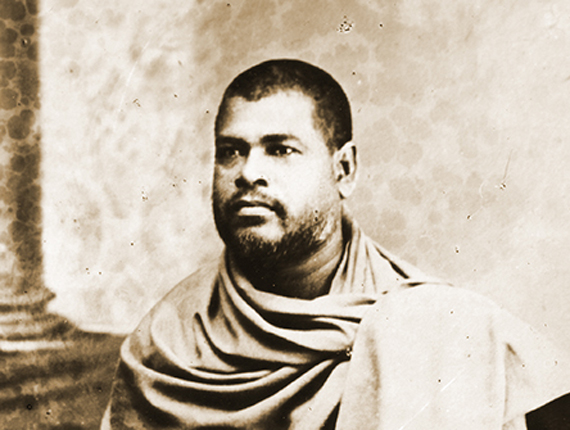
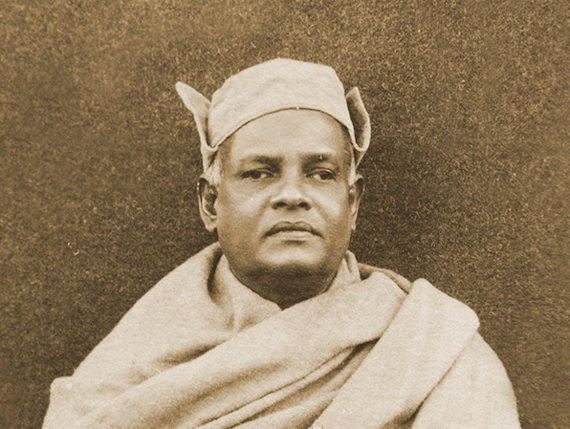
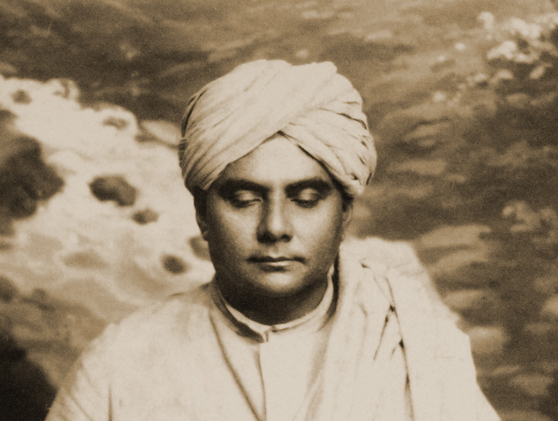
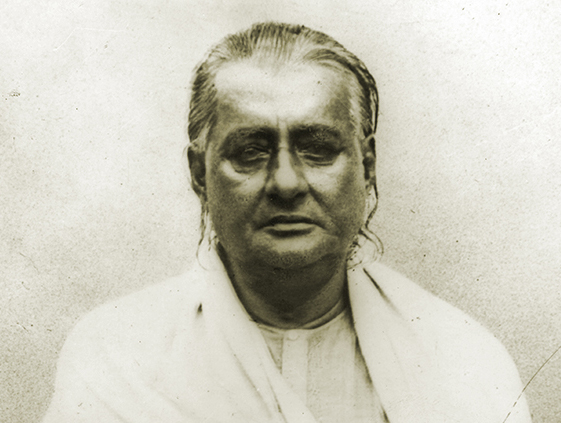
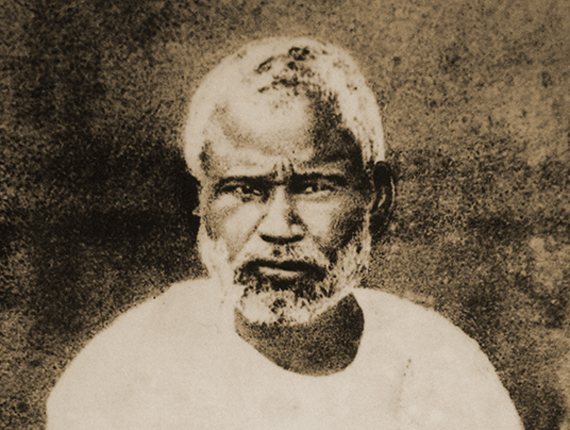
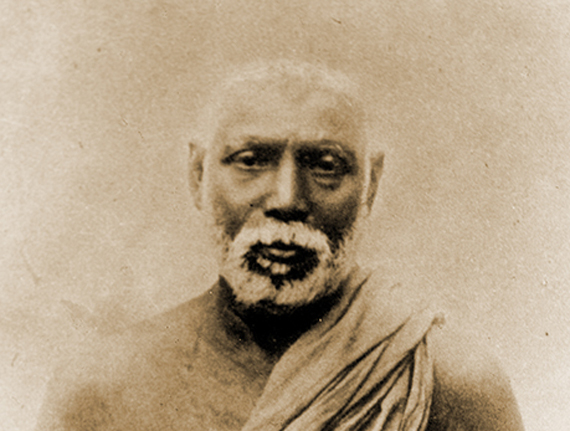
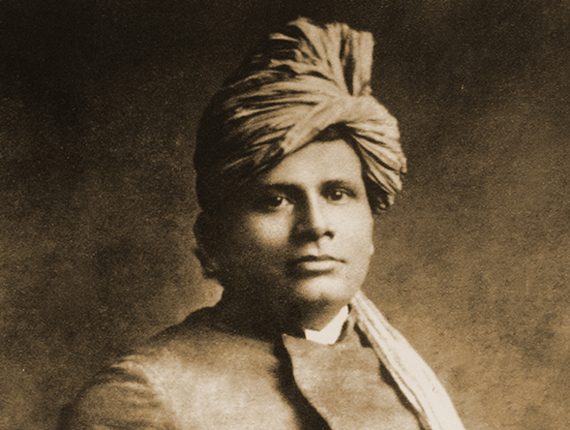
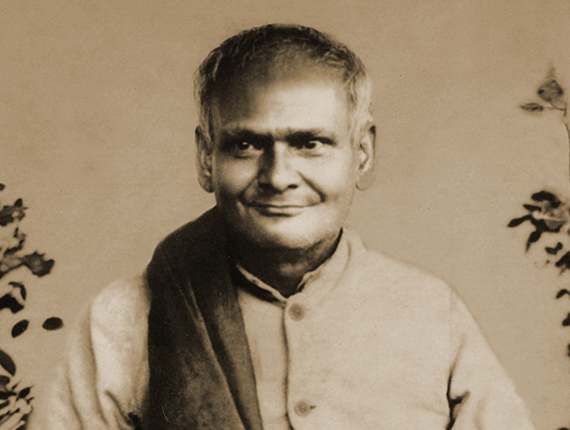
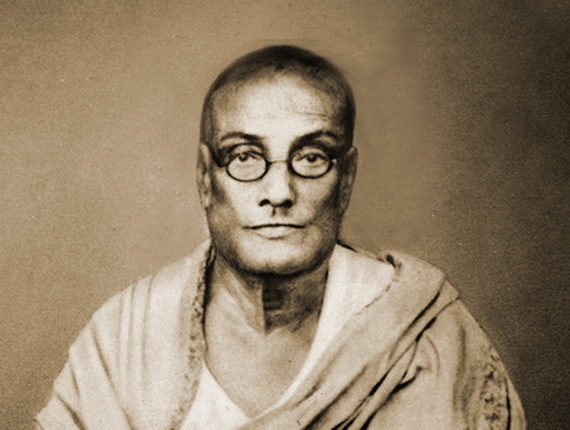
Dakshineshwar is the ground where the young men who would become Sri Ramakrishna's monastic disciples first came to him and practised spiritual disciplines at different places within the temple garden. He moulded this band of youths into the nucleus of the Ramakrishna Order. Foremost among them was Narendranath Datta (Swami Vivekananda); together they numbered sixteen.
SV
 Br
Br
 Pr
Pr
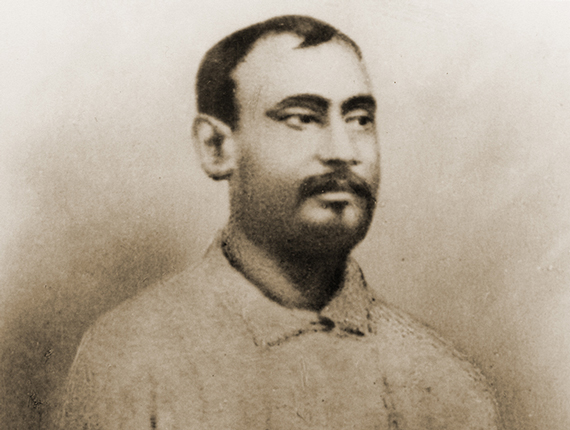 Yo
Yo
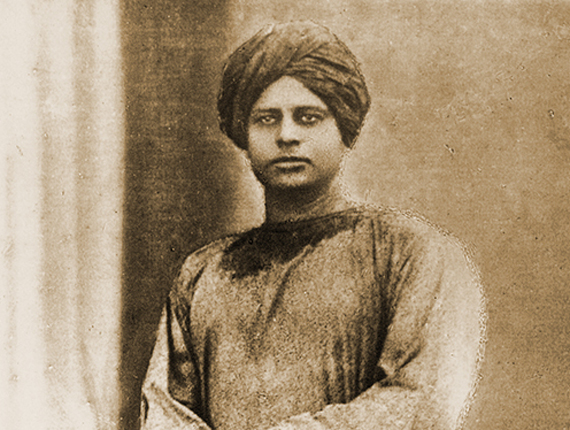 Ni
Ni
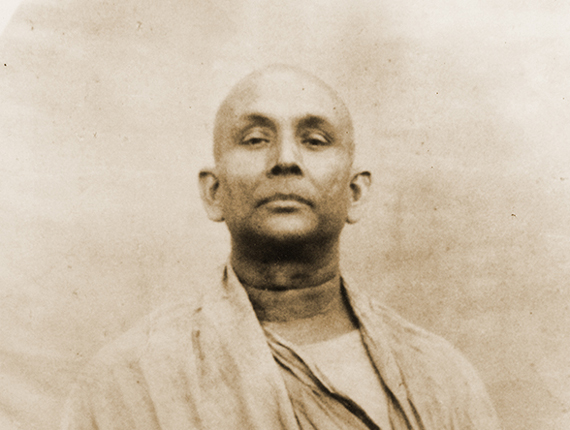 Tu
Tu
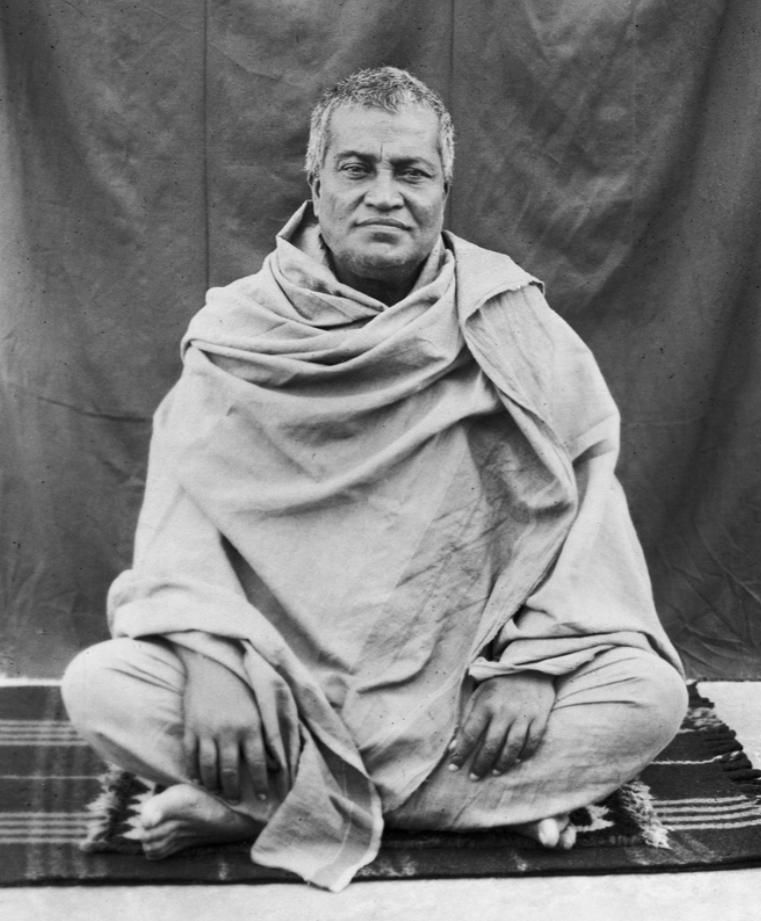 Sh
Sh
 Rk
Rk
 Sa
Sa
 Ab
Ab
 Ak
Ak
 Ad
Ad
 Av
Av
 Tr
Tr
 Su
Su
 Vi
Vi
A Few Devotees of Sri Ramakrishna
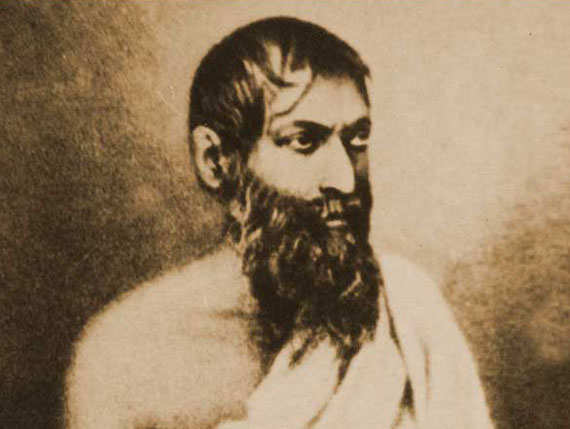
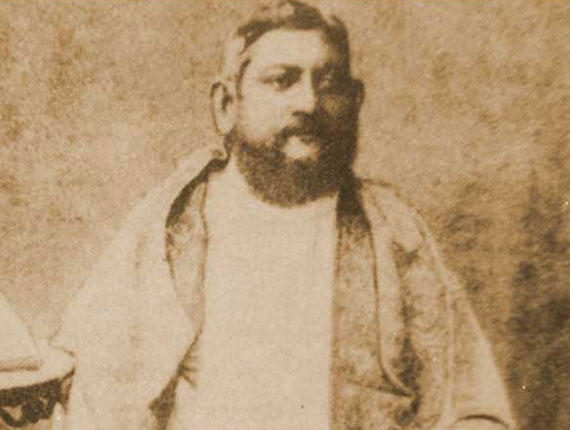
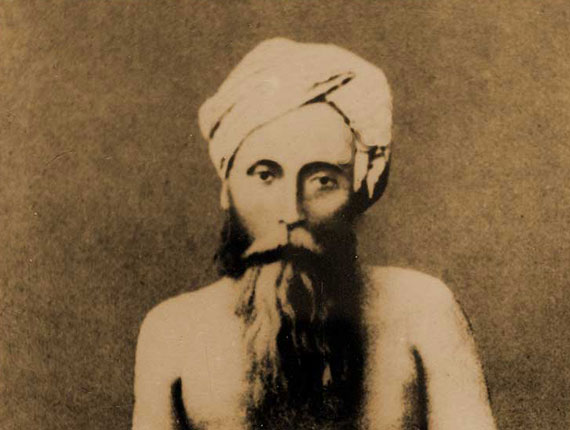
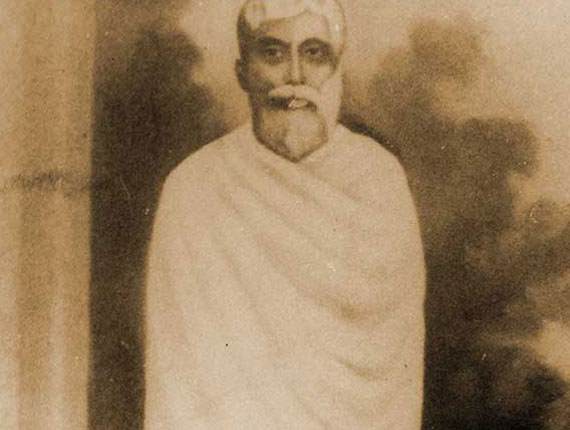
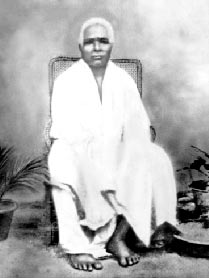
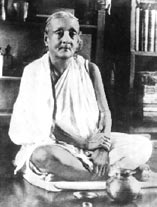
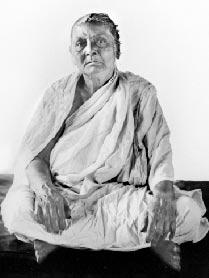
Around Sri Ramakrishna at Dakshineshwar gathered a remarkable circle of devotees - householders and renunciates, men and women - drawn by his love and spiritual radiance. His own mother, Chandramani Devi, lived here in the Nahabat. A few of those closely associated with him are shown below.
 M
M
 GG
GG
 Bl
Bl
 Na
Na
 GM
GM
 YM
YM
 GL
GL
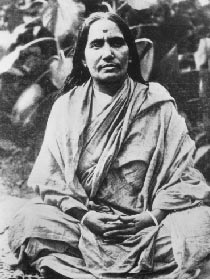 Ga
Ga
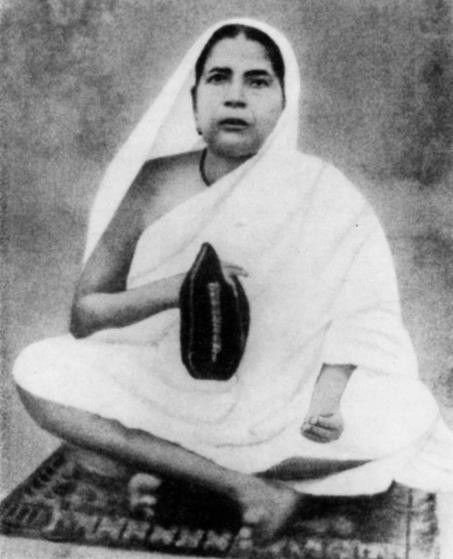 LD
LD
The Fullest Expression of His Personality
Dakshineshwar is also the place where the unique radiance of Sri Ramakrishna's personality found its fullest expression. Here we encounter him as:
An Ideal Monk
An ideal monk and spiritual aspirant, wholly devoted to the realisation of God.
An Ideal Son & Husband
An ideal son, and a caring and devoted husband in his relationship with the Holy Mother.
A Loving Guide & Teacher
A loving spiritual guide, and a teacher and exemplar of the spiritual life.
A Humble, Compassionate Soul
A humble disciple, and a kind and compassionate person in all his relationships.
Sanctified by His Footsteps
"Dakshineshwar is our heaven on earth; it is our Kailasa, our Vaikuntha."- Swami Shivananda, direct disciple of Sri Ramakrishna
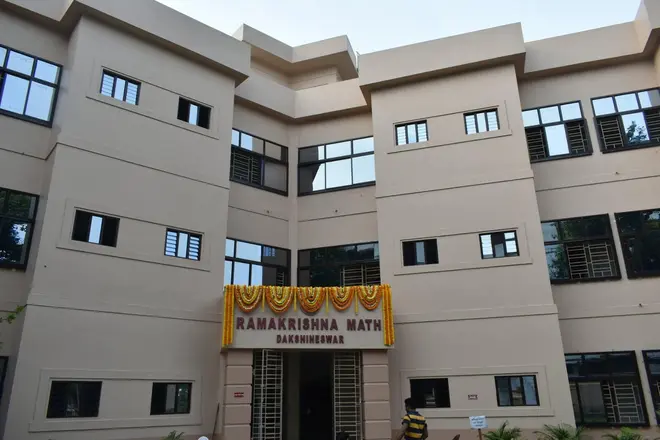
The uniqueness of Dakshineshwar is not only spiritual but geographical: the very location of this Math is sanctified ground. The Math stands adjacent to the Khirkir Darja (as mentioned in the Kathamrita), also known as the second exit gate of the Dakshineshwar Kali Temple - a spot that bears witness to several significant interactions between Sri Ramakrishna and his disciples.
In those days the temple had only two main roads connected to its gates. One led towards Kolkata (via the PWD Road); the other was the path Sri Ramakrishna frequently used to travel towards the Dakshineshwar village. Old British-era maps (the C.S. Map) suggest there was no connection between the First Gate and the Second Gate through what is now T. N. Biswas Road - indicating that Sri Ramakrishna likely used the Khirkir Darja as a regular access point.
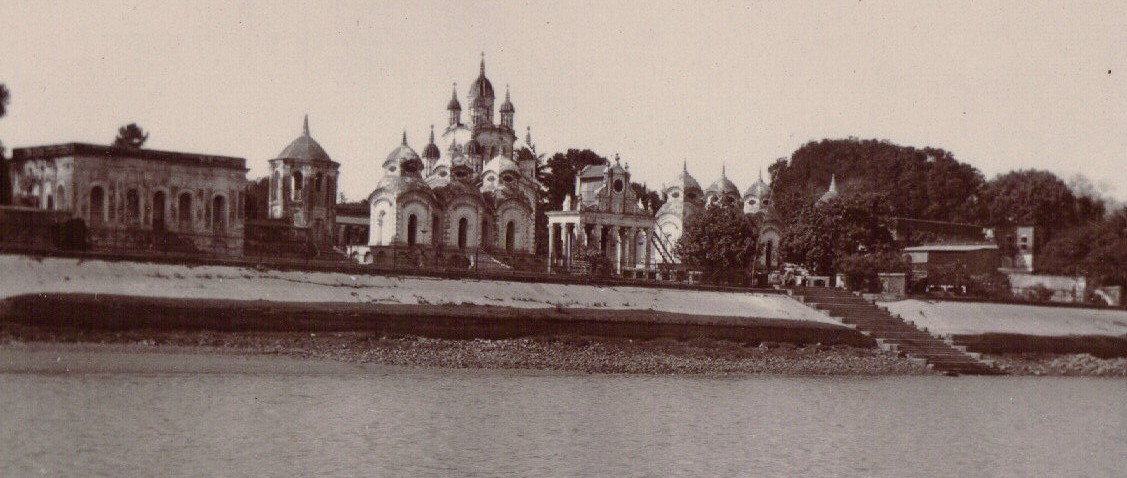
Sri Ramakrishna's connections to this site
Selfless Service
Cleaning the toilet of the sweeper Rasik during his intense sadhana - a supreme act of humility.
Visiting Holy Mother
Visiting Sri Sarada Devi during her stay at Dakshineshwar, using this gate as his regular path.
Meeting His Guru
Meeting Bhairavi Brahmani on D. D. Mondal Ghat Road - the teacher who first recognised his divine nature.
Visiting Devotees
Visiting devotees in and around the Dakshineshwar-Ariadaha area, spreading his teachings.
The very ground on which this Math stands is sanctified by the footsteps of Sri Ramakrishna himself - making it not merely a geographical location, but a living spiritual heritage where the truth that all faiths lead to one God was made manifest.
Visit the Math
Ramakrishna Math, Dakshineshwar
22, T. N. Biswas Rd, Dakshineshwar, Kolkata 700035
Landmark: Dakshineshwar Kali Temple 2nd Gate